

Innovative Applications of Xanthan Gum in Food Industry
Xanthan gum, a high-viscosity water-soluble microbial exopolysaccharide, is primarily derived from starch through specific biological fermentation, refinement, drying, and pulverization with the assistance of Xanthomonas bacteria.
Soluble in both cold and hot water, xanthan gum boasts remarkable features including high viscosity, resistance to acidity and alkalinity, tolerance to salt, and high thermal stability, making it one of the most versatile biological gums available. It finds wide-ranging applications across the food, pharmaceutical, cosmetics, and other industries, serving as an emulsifier, thickener, suspending agent, and stabilizer.
Product Characteristics:
Xanthan gum can be used concurrently with similar products while mitigating the risk of starch retrogradation. Its viscosity, salt tolerance, and water retention remain largely unaffected across a broad pH range of 1 to 12.
Product Applications:
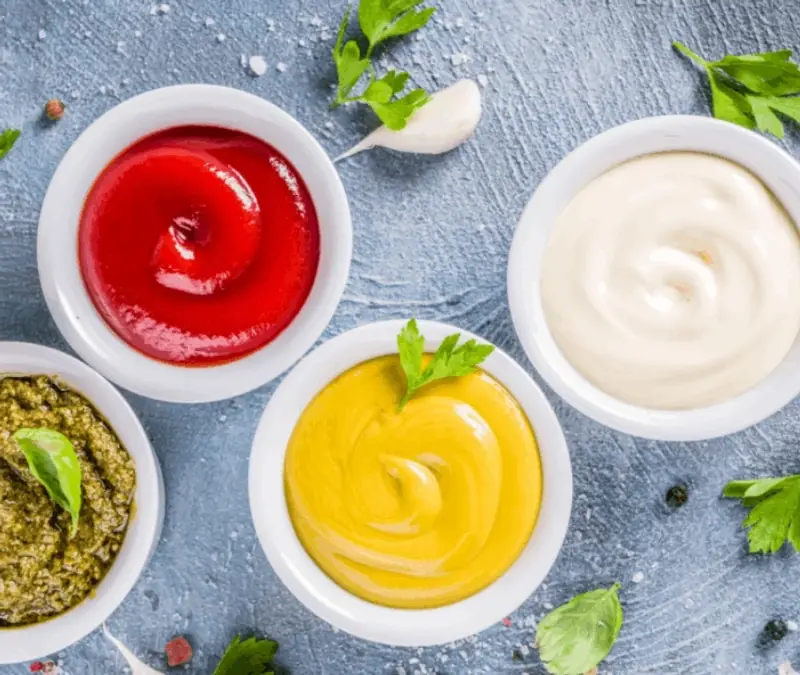
Seasoning Sauces:
In salad dressings, it excels in particle suspension and emulsion stability. It also performs admirably in savory pastes and liquid sauces, reducing the separation of liquids from pastes.
Flour Products:
Contributes to a smooth, tender texture. Enhances resistance to soaking. Diminishes the likelihood of starch retrogradation in stored noodles.
Bakery Products:
Maintains moisture, enhances softness, and improves the flavor of baked goods. Delays starch aging, prolonging the shelf life of baked goods. Enhances the stability and flavor of fillings in baked goods.