

Navigating the World of Fats: Understanding the Good and the Bad
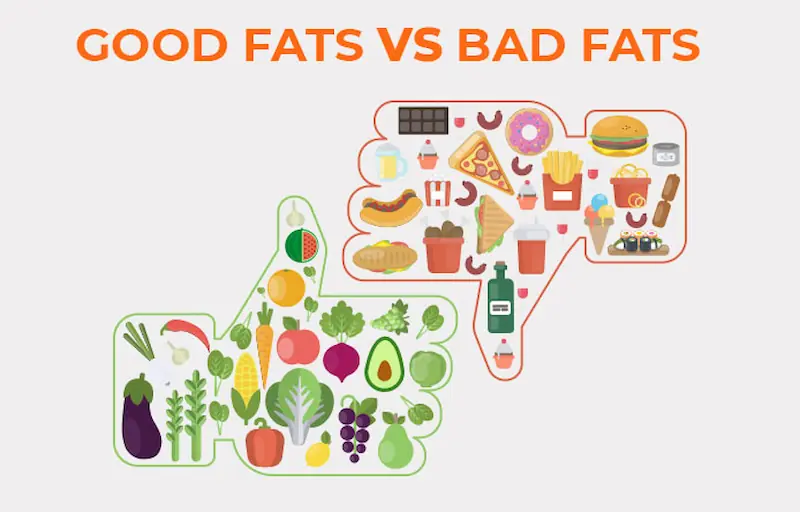
In the pursuit of a healthier lifestyle, understanding the distinction between good fats and bad fats is paramount. Whether you’re seeking to improve your overall health, reduce trans fats and saturated fats in your diet, or incorporate more beneficial fats, here’s what you need to know:
Understanding Fats
Not all fats are detrimental to your health. While fats have often been vilified, they play essential roles in providing energy, nourishing the skin, and supporting bodily functions. Eliminating fats entirely from your diet can lead to adverse health effects, as it also eliminates essential good fats.
Additionally, a healthy eating diet of 2,000 calories suggests consuming:
| 2.5 | cups | vegetables | daily |
| 5.5 | ounces | protein | daily |
| 27 | grams | oils | daily |
| 2 | cups | fruit | daily |
| 6 | ounces | grains | daily |
Bad Fats
Bad fats, commonly known as trans fats, result from the hydrogenation process used in food preservation. High consumption of trans fats increases the risk of heart disease, diabetes, obesity, and stroke. It’s crucial to limit intake of saturated fats and trans fats to less than 10% of daily calories, as recommended by dietary guidelines.
You are likely to find bad fats in:
| Beef and pork fat |
| Fast food |
| Freezer stored foods |
| Processed snack foods |
| Baked goods |
| Margarine |
| Vegetable shortening |
Good Fats
Good fats, such as monounsaturated fats and polyunsaturated fats, are essential for maintaining heart health and reducing the risk of chronic diseases. These fats, found in oils, nuts, seeds, and fatty fish, help lower cholesterol levels and promote overall well-being.
You are lkely to find good fats in:
| Vegetables |
| Almonds, cashews, peanuts, walnuts, and pecans |
| Avocados |
| Vegetable oil, olive oil, safflower, sunflower, and peanut oil |
| Flax, sunflower, sesame, and pumpkin seeds |
| Soybeans and products |
| Fish, such as salmon, herring, trout, catfish, mackerel, and sardines |
Neutral Fats
Neutral fats, or saturated fats, can increase both good and bad fat levels in the body. While they’re not inherently harmful, it’s advisable to limit their consumption to maintain optimal health.
You are likely to find neutral fats in:
| Red meat, including fatty cuts of pork, beef, and lamb |
| Dark meat chicken and turkey |
| Cheese |
| Butter |
| Sour Cream |
| Whole milk |
| Ice cream |
| Coconut oil |
Smart Dietary Choices
To ensure a balanced fat intake, consider the following dietary adjustments:
- Reduce saturated fats and trans fats, replacing them with monounsaturated and polyunsaturated fats.
- Opt for cooking oils rich in monounsaturated and polyunsaturated fats, such as olive or avocado oil.
- Incorporate fish, poultry, and lean meats into your diet for a healthier fat profile.
- Consider taking a fish oil supplement to boost omega-3 intake.
- Embrace a diet rich in vegetables and healthy oils to maximize good fat consumption.
- Minimize processed foods and hydrogenated oils in your diet for better health outcomes.
Remember, moderation is key when it comes to fat consumption. By making informed dietary choices and prioritizing good fats, you can support your overall health and well-being for a happier, healthier life.